
White Desert Fossils and History: A Journey Through Time
First of all, the Sahara was not always a sea of sand. The White Desert Fossils and History reveal a fascinating secret: millions of years ago, this entire area was submerged under a prehistoric ocean. Specifically, the Tethys Sea once covered this landscape, leaving behind clues that you can still see today. Therefore, visiting the desert is like walking through a natural museum of earth’s ancient past.
The Oceanic Origin of the White Desert
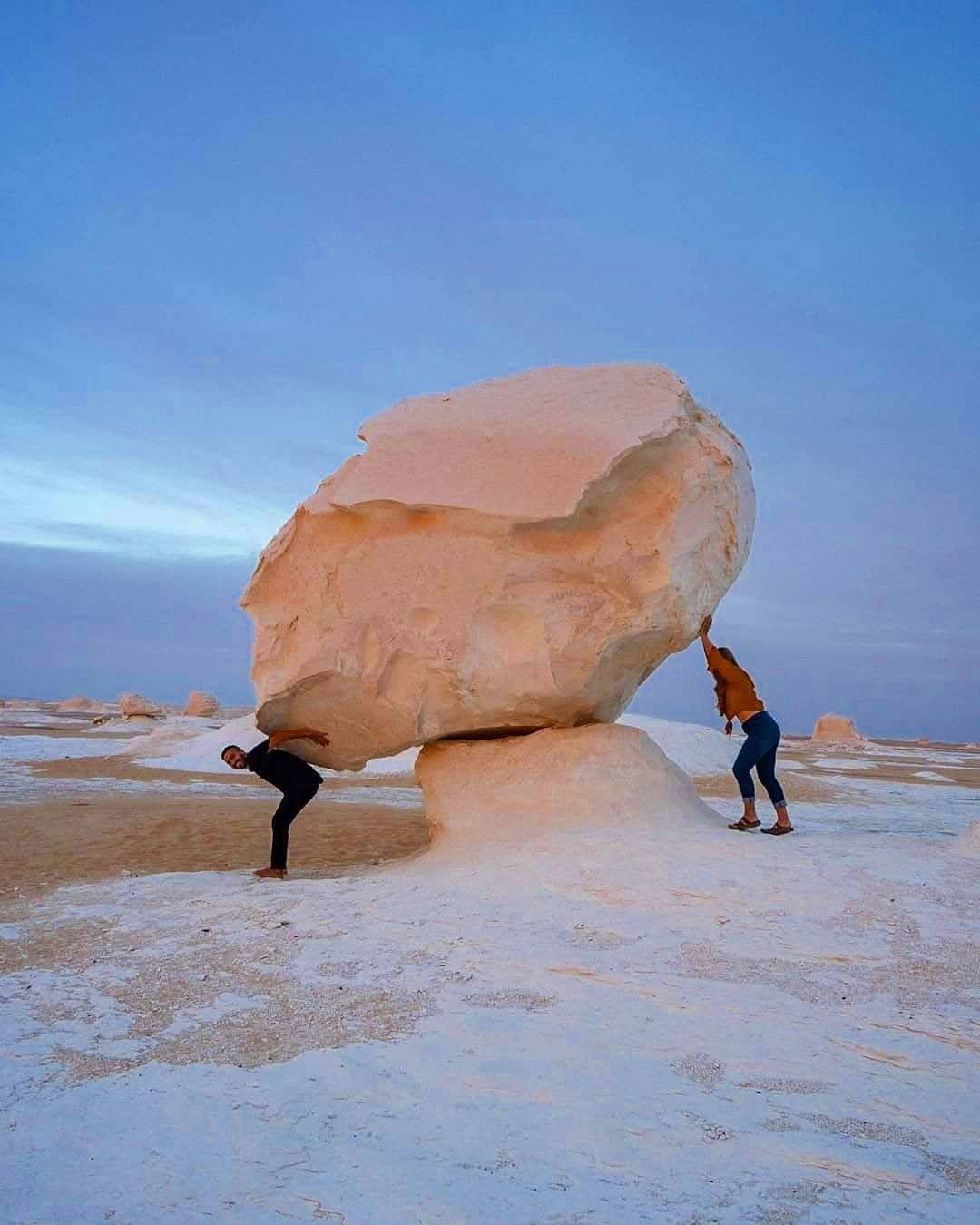
In fact, the brilliant white chalk that gives the desert its name is actually made of microscopic marine remains. Moreover, the White Desert Fossils and History show us that these layers of limestone were formed by the accumulation of shells and corals over eons. Consequently, when the sea receded, wind and time began to carve these marine deposits into the surreal shapes we see today. Furthermore, this geological transformation is one of the most unique in the world.
What Fossils Can You Find?
Generally, if you look closely at the ground, you will find traces of ancient life. Here are some highlights of the White Desert Fossils and History:
Prehistoric Sea Shells and Coral
To begin with, it is quite common to find fossilized sea shells embedded in the white rocks. Specifically, these White Desert Fossils and History prove the existence of a thriving marine ecosystem in the heart of what is now a dry desert. For instance, you can find sea urchin spines and fossilized coral branches scattered across the valley. Undoubtedly, holding a piece of ocean history in your hand is a profound experience.
Evidence of Giant Marine Life
After that, some areas within the park contain even larger remains, such as fossilized shark teeth and ancient vertebrate bones. In addition, the White Desert Fossils and History include rare sightings of “Invertebrate burrows” preserved in the chalk. Surprisingly, these fossils have remained perfectly preserved for over 30 million years, waiting for travelers to discover them.
Protecting Ancient Heritage
Finally, we believe in “Responsible Exploration.” Furthermore, while we encourage you to discover the White Desert Fossils and History, we must leave them exactly where they are to protect the park’s integrity. As a result, future generations can continue to learn from this incredible natural archive.
Conclusion
To sum up, there is a whole world hidden beneath the sand. So, are you ready to become an explorer for a day? Contact us to book your White Desert Fossils and History tour and uncover the secrets of the Sahara.

Comment (0)